
L’Assommoir is part of a twenty-volume series Les Rougon-Macquart published in the 1876.
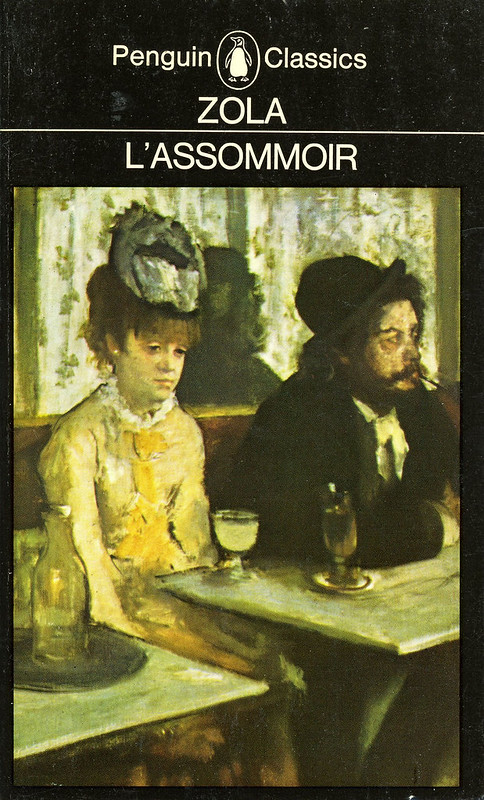
This work of fiction resonated with reality, by its depiction of harsh working class life and alcoholism in Paris at that time.
The novel is really the life of Gervaise Macquart who moves to Paris, works as a washer woman in one of the city’s hot and humid laundries , is abandoned by her lover Lantier , but then settles with Coupeau - a roofer by trade who is hard working and a non drinker.
The novel then follows the slow decline in their fortunes - Coupeau is injured by a fall and then starts on the road to idleness, gluttony and alcoholism.
Gervaise over spends by hosting lavish dinners to give the appearance of wealth and stability to her neighbors - but as a result incurs large debt.
In turn Gervaise turns to drink in desperation and their daughter Nana turns to prostitution.
The couple eventually pass away and tragically are not discovered by their neighbors for several days.
It’s a tragic story - but the genius of Zola are the descriptions : the heat of the hot steamy laundry and Gervaise toiling and sweating hour after hour , the boredom in trying to improve their situation, the escape to alcohol - and the slow decline in their respectability and pride.
The reality resonates with everyone -and shows the reader: the difference between rich and poor is a narrow one and a simple sequence of events can derail the most stable life.
It's what I would call a 3 dimensional book and has to be read to be appreciated and savored and reflected upon.
In some ways there are parallels to George Orwells “Down and Out In Paris and London” - descriptions of emotions and life - but written in a clear style that puts you in the center of the action.
It makes you feel what the characters are feeling.
There are some parallels to Charles Dickens , writing a few years earlier (1830’s-70’s) with some similar themes.
However Dickens did not possess quite the same degree of “in your face” realism ,in my opinion.
Émile Zola was a hugely influential novelist and a major figure in the literary school of naturalism.
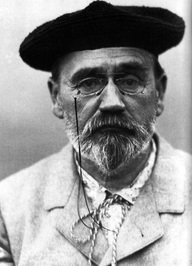
His work is still relevant today.
More info here: