
David Sylvian occupies that sparse musical aesthetic that would lead him to work with other composers such as Ryuichi Sakamoto: notably create a sonic soundscape that pulls you into a more visual and emotional realm.
David Sylvian is of course remembered as a founding member of the British group Japan, pioneering in their use of electronic instruments and synths.
They emerged in 1978 - just before the New Romantics in 1980 - however Japan seemed to have more gravitas and authenticity versus Spandau Ballet or Adam and the Ants.
Sylvian and Japan had sported an androgynous look with makeup since the mid 70’s (inspired by Roxy Music and Bowie) that pre-dated the New Romantic era .
Additionally Japans’ music seems to have more depth and emotional connection.
One should also note the individual members that created the sound of Japan and made their success:
Self taught bassist Mick Karn and his use of fretless bass - as well as saxophone, oboe and bass clarinet - brought a non cliched sonic approach.
Richard Barbieri and the synth textures that elevated the group to chart success, despite the experimental nature of their music- is remarkable.
Rob Dean - guitarist on the albums up to “Gentleman Take Polaroids” album from 1980.
Steve Jansen - (brother of David Sylvian) who played drums and electronic percussion.
As Sylvian notes on his website:
While Japan started off as one of many '70s New Romantic bands, they made an unpredictable break with their hit "Ghosts" – a searching and evocative single where spare rhythms and fleeting electronic sounds lay under Sylvian's smouldering tenor.
"Writing 'Ghosts' was a turning point for me," Sylvian recalls.
"So much of what we created with Japan was built upon artifice.
With that song I'd felt I'd had the breakthrough I was looking for. I'd touched upon something true to myself and expressed it in a way that didn't leave me feeling overly vulnerable.
In the coming years I'd forget about all notions of vulnerability, opening up the material to a greater emotional intensity. I knew that I had to find my own voice, both figuratively and literally.”
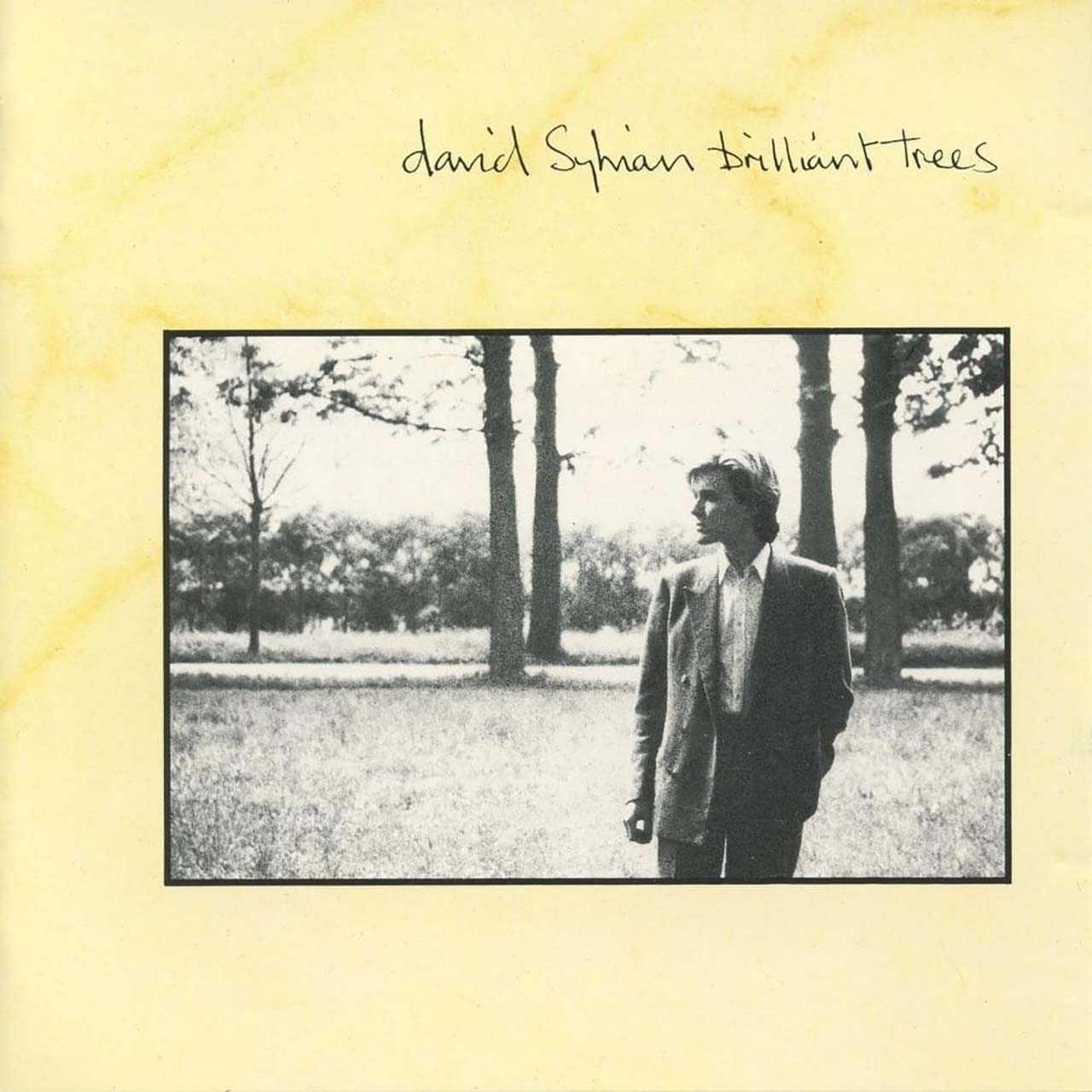
What followed was a series of critically acclaimed solo albums , which for me was when Sylvian hit his creative stride :
Brilliant Trees (1984 ), Gone To Earth (1985) and Secrets of the Beehive (1987).
Never content to stay in one genre , Sylvian took in pop funk, jazz ,lush ballads and ambient textures and orchestrations.
His collaborators included Robert Fripp , Bill Nelson of Be Bop Deluxe fame - as well as jazz trumpeter and film composer Mark Isham.
More collaborations would follow in the following years - but for me that was a golden era.
Go check out these albums -and enjoy the sonic journey: they still sound as refreshing as they did 40 years ago!
More info: